
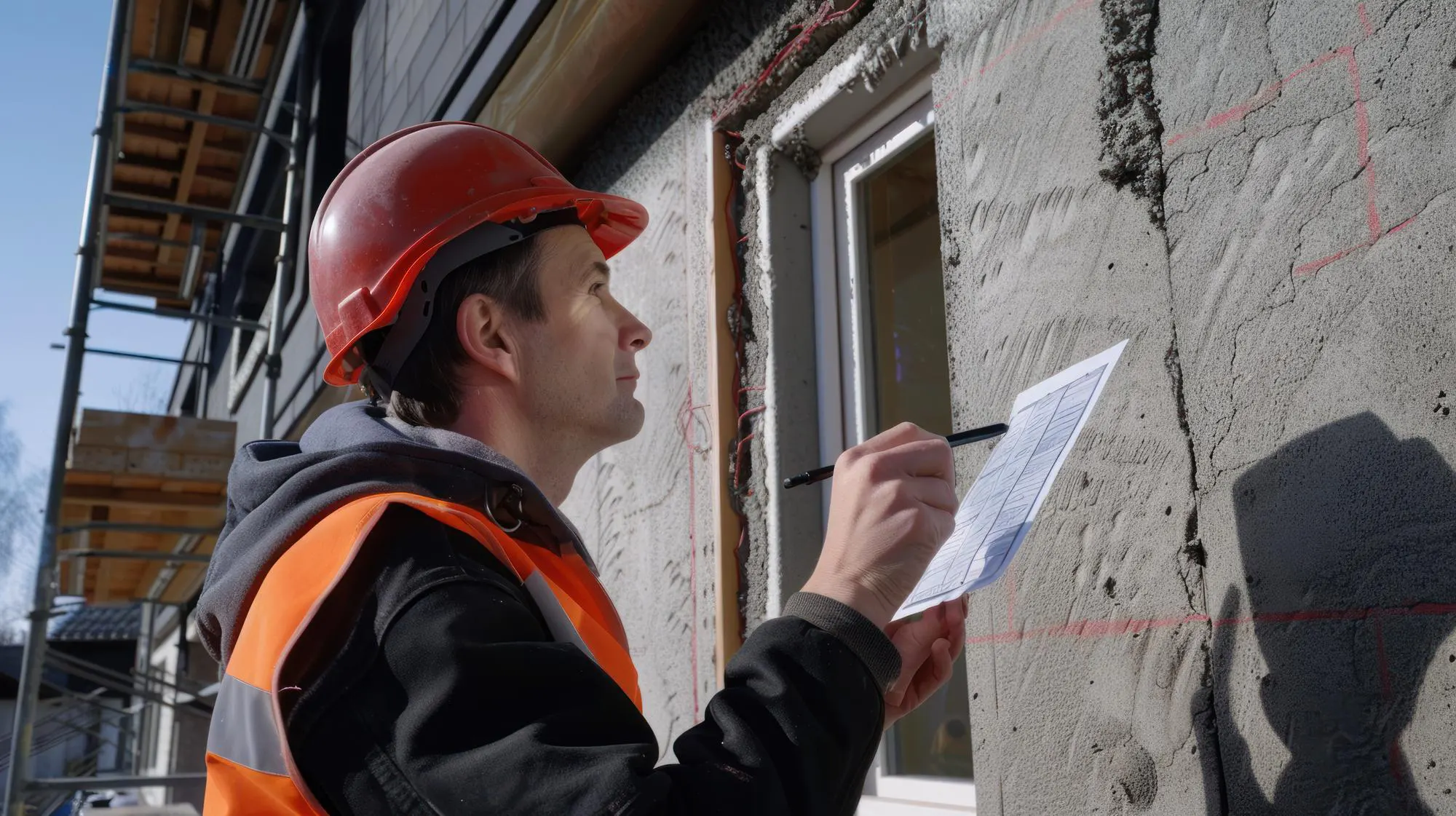
Case Study: Defect Investigation Resolves Structural Safety Concerns
Structural defects in buildings can lead to serious safety issues, impacting property value and posing risks to occupants. This case study highlights how our professional Defect Investigation Services helped identify and resolve structural concerns in a multi-story commercial building, ensuring its safety, compliance, and long-term performance.
The Property
- Type: Multi-story commercial office building
- Location: Urban area in New Zealand
- Construction Type: Steel frame with concrete cladding
- Year Built: 2010
- Challenges: Cracks in structural elements, water seepage in underground parking, and tenant complaints about vibration and noise during strong winds.
The building owners contacted us after a routine maintenance check revealed visible structural cracks, raising concerns about the property’s safety and compliance with local building codes.
Challenges Identified
- Structural Cracking:
- Large vertical cracks appeared on exterior concrete cladding, suggesting possible stress or movement in the structural frame.
- Water Ingress:
- Persistent water seepage in the underground parking area led to mold and damaged flooring.
- Occupant Concerns:
- Reports of vibration and creaking noises during strong winds created discomfort among tenants and raised questions about structural stability.
- Code Compliance:
- Owners were concerned the issues might indicate non-compliance with updated building codes and seismic safety standards.
Our Approach: Comprehensive Defect Investigation
- Detailed Visual Inspection
Our team conducted an extensive on-site assessment of the building:
- Exterior: Inspected cracks in the concrete cladding, joints, and other structural components.
- Interior: Checked for water damage in the basement and vibrations in tenant spaces.
- Roof: Examined flashing and seals for potential water entry points.
- Non-Destructive Testing (NDT)
To avoid unnecessary damage to the structure, we employed advanced non-invasive testing methods:
- Thermal Imaging:
- Identified hidden moisture intrusion points and areas where insulation had failed.
- Ultrasonic Testing:
- Detected subsurface cracks in concrete and steel components.
- Structural Integrity Scans:
- Used Ground Penetrating Radar (GPR) to analyze the foundation and locate voids or weaknesses.
- Structural Analysis
Collaborating with structural engineers, we reviewed the building’s original design documents and performed:
- Load Tests: Evaluated the building’s response to simulated loads to detect weaknesses.
- Wind and Seismic Simulations: Analyzed the building’s behavior under extreme wind and earthquake conditions.
- Material Testing
Collected samples of concrete and steel for lab testing to evaluate their strength and condition.

Findings
Our investigation revealed multiple critical defects requiring immediate attention:
- Stress-Induced Cracking:
- Vertical cracks in the cladding were caused by thermal expansion and contraction due to insufficient expansion joints.
- Foundation Weakness:
- Water seepage in the basement was traced to poorly sealed foundation joints and a compromised waterproofing membrane.
- Vibration and Noise:
- Improperly installed braces in the steel frame amplified vibrations during strong winds.
- Material Degradation:
- Concrete samples showed signs of carbonation, which weakened their resistance to stress over time.
- Code Non-Compliance:
- Several structural elements were found to be non-compliant with updated seismic safety standards introduced after the building’s construction.
Solutions and Recommendations
After presenting our findings to the property owners, we developed a comprehensive remediation plan to address the defects and restore safety:
- Structural Crack Repairs:
- Installed new expansion joints to accommodate thermal movement and prevent further cracking.
- Repaired existing cracks with high-strength epoxy injections to restore structural integrity.
- Foundation Waterproofing:
- Replaced the compromised waterproof membrane in the basement.
- Sealed foundation joints with flexible, durable materials to prevent future seepage.
- Frame Stabilization:
- Reinforced the steel frame with upgraded braces and dampers to reduce vibrations and noise during strong winds.
- Concrete Restoration:
- Applied anti-carbonation coatings to protect the concrete surfaces and extend their lifespan.
- Seismic Upgrades:
- Retrofitted structural elements to comply with updated seismic safety standards, enhancing the building’s resilience.
Results
The remediation work was completed within six months, delivering the following outcomes:
- Enhanced Safety and Stability:
- Structural cracks and vibration issues were resolved, ensuring occupant safety and comfort.
- Waterproof Foundation:
- The basement remained dry even after heavy rains, preventing further damage.
- Code Compliance:
- Upgraded structural elements met the latest building codes, providing peace of mind to the owners.
- Satisfied Tenants:
- The property’s improved safety and comfort levels were well-received by tenants, reducing complaints and increasing occupancy rates.
- Increased Property Value:
- Addressing the defects and ensuring compliance boosted the building’s market value and attractiveness to potential buyers or tenants.
Key Takeaways
- Proactive Inspections Prevent Escalating Damage:
Regular inspections can identify defects early, reducing repair costs and preventing safety hazards.
- Advanced Technology Delivers Precise Results:
Non-destructive testing methods provide accurate insights into structural integrity without causing further damage.
- Professional Expertise Ensures Lasting Solutions:
Collaborating with experts ensures thorough investigations and tailored remediation plans that address the unique challenges of each property.
Conclusion
Structural defects can pose significant risks to a building’s safety, compliance, and value. Early detection and professional remediation are essential to prevent costly repairs and ensure long-term performance.
At Rommel, our Defect Investigation Services leverage advanced technology and expert analysis to resolve structural issues efficiently and effectively. If you suspect defects in your property, contact us today to schedule a professional inspection and safeguard your investment.